

Mega Marshmallows VAT Case: Why some marshmallows qualify for zero-rated VAT





Court rules mega marshmallows are zero-rated for VAT
The long-running VAT dispute between Innovative Bites Ltd and HM Revenue and Customs has taken another significant turn. In 2025, the Court of Appeal referred the case back to the First-tier Tribunal (FTT) to determine one key issue: are “Mega Marshmallows” normally eaten with the fingers?
The answer mattered because UK VAT legislation treats confectionery differently from most food products. While food is generally zero-rated for VAT, confectionery attracts VAT at the standard rate of 20%.
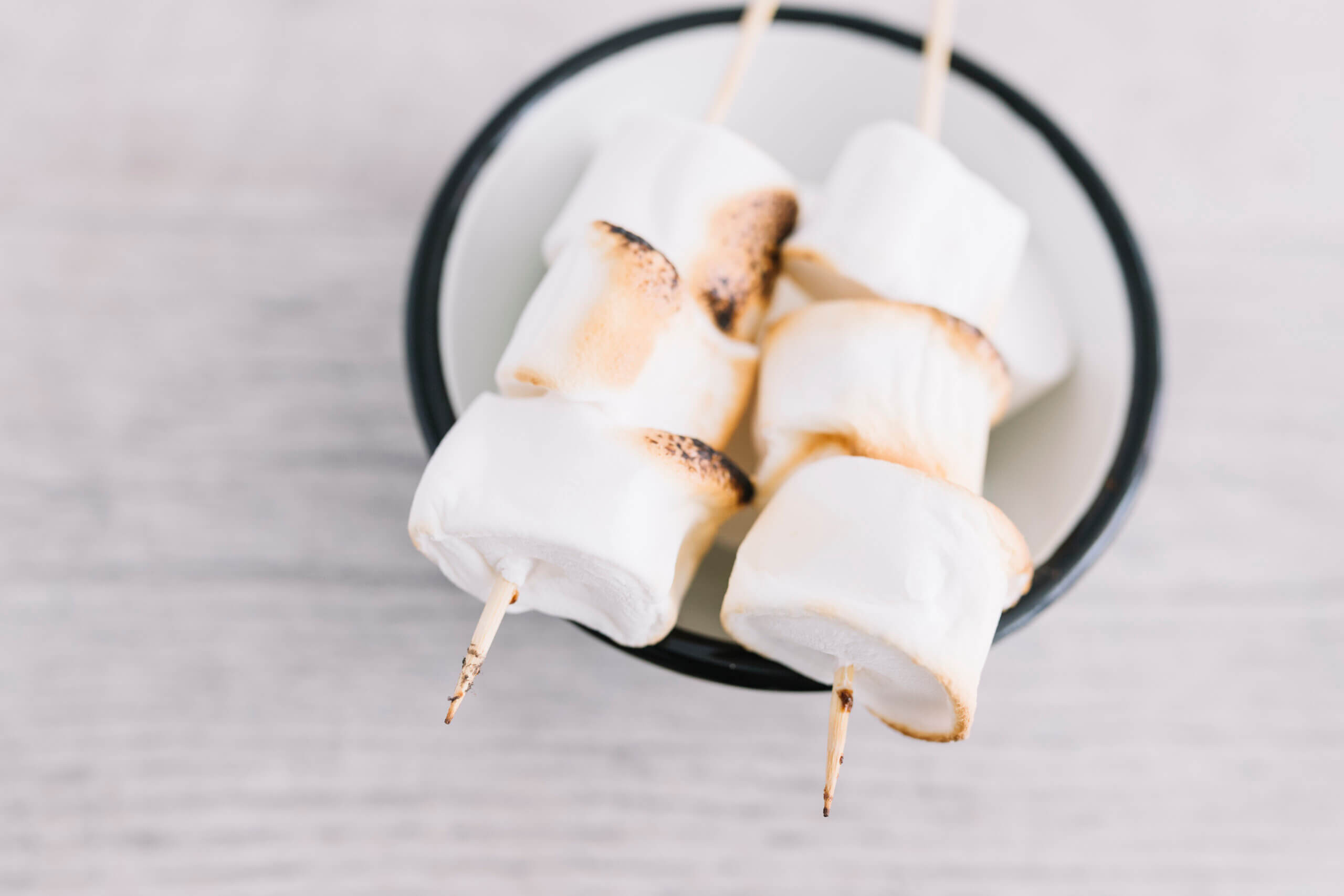
In its March 2026 decision, the FTT concluded that Mega Marshmallows are more commonly consumed using non-finger methods, such as roasting on skewers or as part of s’mores. As a result, the product does not fall within the legal definition of confectionery and qualifies for zero-rated VAT.
Why the VAT treatment of marshmallows matters
Under Schedule 8 of the Value Added Tax Act 1994, most food products qualify for zero-rated VAT. However, confectionery remains specifically excluded.
The legislation defines confectionery as:
“Any item of sweetened prepared food which is normally eaten with the fingers.”
This definition created the central issue in the Innovative Bites case. HMRC argued that marshmallows are sweet treats typically eaten by hand and should therefore attract VAT at 20%.
The tribunal disagreed after reviewing how consumers actually use Mega Marshmallows in real-life settings. Evidence showed that customers mainly roast the oversized marshmallows or use them to make s’mores, rather than eating them directly from the packet.
The key difference between standard and mega marshmallows
The ruling highlights an important distinction in UK VAT law:
- Standard-sized marshmallows remain standard-rated for VAT
- Mini marshmallows marketed as baking ingredients can qualify for zero-rating
- Mega Marshmallows designed for roasting and cooking are now treated as zero-rated food products
This decision reinforces how product marketing, packaging and consumer behaviour can directly influence VAT treatment.
What businesses can learn from the mega marshmallow VAT case
This case demonstrates how complex VAT classification can become for food manufacturers, wholesalers, importers and retailers.
The tribunal considered several factors, including:
- Product size
- Packaging and marketing
- Consumer behaviour
- Seasonal sales trends
- Retail placement within stores
The decision also reinforces an important principle in VAT disputes: how customers typically consume a product can significantly affect its VAT treatment.
Businesses that sell food, confectionery or cooking ingredients should regularly review whether they apply the correct VAT rate to their products.
VAT compliance for food and retail businesses
Incorrect VAT treatment can lead to substantial HMRC assessments, penalties and interest charges. In this case, HMRC originally assessed Innovative Bites for almost £473,000 in VAT liabilities covering a four-year period.
If you are unsure about the VAT liability of your products, obtaining professional advice early can reduce risk and prevent costly disputes.
Our VAT services team supports businesses with:
- VAT liability reviews
- HMRC dispute resolution
- VAT compliance checks
- Food and retail VAT advice
- VAT registration and planning
You may also find our Tax advisory services and HMRC investigations support helpful if your business faces a VAT enquiry or compliance review.
Professional VAT advice for product classification and VAT liability
The Mega Marshmallows case shows that VAT is rarely straightforward. Small differences in how products are marketed, sold and consumed can change their VAT treatment completely.
If you need guidance on the correct VAT rate for your products or services, contact our VAT advisers today.
Contact Us
"*" indicates required fields


Sign up to our newsletter
Join our mailing list to receive regular updates on
the news and events you need to know about.