

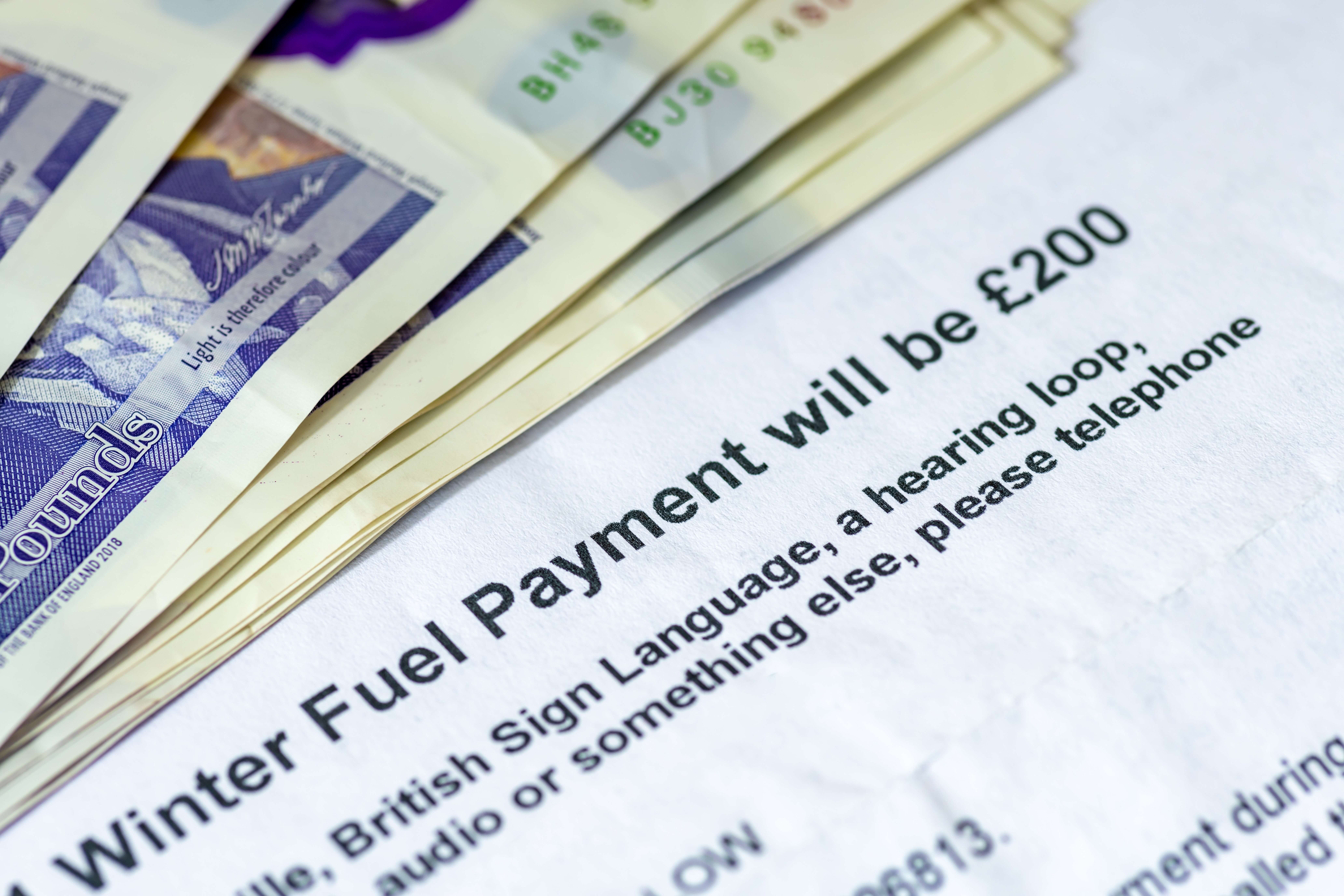
Winter Fuel Payment opt-out: what higher-income pensioners need to know

London office, St Albans office
 LinkedIn



From winter 2025/26, the rules for the Winter Fuel Payment (WFP) in England, Wales and Northern Ireland have changed significantly. While eligibility has widened, anyone with taxable income above £35,000 will have their payment reclaimed through the tax system. For higher-income pensioners, the key phrase is Winter Fuel Payment opt-out. Choosing not to receive the payment can save time and avoids administrative burden, preventing repayment later.
Why the opt-out matters and who needs to consider it
If your taxable income is above £35,000, HMRC will reclaim your Winter Fuel Payment. The payment is made automatically, but that convenience can lead to unwanted tax adjustments later. Pensioners who expect to cross the threshold should consider opting out instead. This approach helps them avoid future tax-code changes or Self-Assessment corrections.
Most pensioners in England, Wales and Northern Ireland now receive the Winter Fuel Payment automatically, if they meet the qualifying age and residency criteria. Those with higher taxable income should review their position and decide whether opting out for future years is appropriate.
How much is the Winter Fuel Payment?
The Winter Fuel Payment ranges from £100 to £300 depending on your age and household circumstances. Anyone born before 23 September 1958 is eligible to receive the automatic payment. For winter 2025/26, the payment replaces earlier cost-of-living top-ups. Most pensioners will now receive the standard amount.
How HMRC recovers the payment and how opting-out works
If you pay tax through PAYE, HMRC will reclaim the Winter Fuel Payment. This is done by adjusting your tax code for the next year, such as 2026/27. If you file a Self Assessment return, the payment appears on your 2025/26 return. This will be repaid through your balancing payment or payment on account. Many higher-income pensioners choose the Winter Fuel Payment opt-out to avoid these processes.
If you live with someone else who also receives the Winter Fuel Payment, HMRC will assess each person’s income separately, rather than jointly. For example, if you earn £36,000 and your partner earns £22,000, HMRC will reclaim your payment, but your partner will keep theirs.
However, the deadline to opt out for the 2025/26 payment has now passed for pensioners in England, Wales and Northern Ireland. Any payment you receive this winter will be reclaimed if your income exceeds the threshold.
Going forward, pensioners should familiarise themselves with the new framework, so they can plan ahead for future years. The opt-out option will reopen from 1 April 2026 for the 2026/27 payment, allowing individuals who expect their income to exceed the threshold to opt out early, and avoid unnecessary repayment later.
The opt-out process is straightforward: contact the Winter Fuel Payment Centre (via phone or post) and provide personal details such as name, date of birth, National Insurance number and address. Once you opt out, HMRC will stop future payments. You can opt back in if your circumstances change, as long as you meet the next deadline.
Current year implications and action to take
Because payments are automatic, anyone who missed the deadline and earns above £35,000 will enter the repayment cycle through PAYE or Self-Assessment. That means extra deductions or a potentially larger tax bill.
If you live in Scotland, the equivalent scheme is the Pension Age Winter Heating Payment, which follows different rules.
If this applies to you, estimate your total taxable income and confirm whether it crosses the threshold. Check any tax-code changes and ensure deductions are accurate. Understanding how HMRC reclaims the payment helps you manage your cash flow and avoid surprises.
Looking ahead to winter 2026/27 and beyond
The 2025/26 opt-out period has now closed for England, Wales and Northern Ireland. From 1 April 2026 you will be able to choose to opt out for payments made from winter 2026/27 onwards.
Planning early avoids unnecessary adjustments and simplifies tax affairs. If your income fluctuates around the threshold, consider advice from a tax specialist to decide the best option each year.
How Rayner Essex can help
At Rayner Essex we understand how complex HMRC rules can feel for pensioners with higher income. Our tax specialists provide clear, practical support to make compliance straightforward.
We can help you estimate your total taxable income and identify whether it exceeds the £35,000 threshold. Our advisers will then assess your position and explain whether opting out is the best approach for you.
We can also assist with Self-Assessment filings and tax-code adjustments, and broader tax efficiency strategies. For expert advice, contact us today and our tax advisers will be happy to help.
Contact Us
"*" indicates required fields


Sign up to our newsletter
Join our mailing list to receive regular updates on
the news and events you need to know about.