

Company Car Tax in the UK 2025/26: Electric, petrol & hybrid benefits in kind explained

 LinkedIn



Historically, company cars have always been considered the gold standard benefit for senior staff. However, in recent years the UK tax consequences of having a company car for both the employees and employer have risen sharply. This has greatly reduced how often company cars are offered, with many companies favouring alternative benefits for senior employees instead.
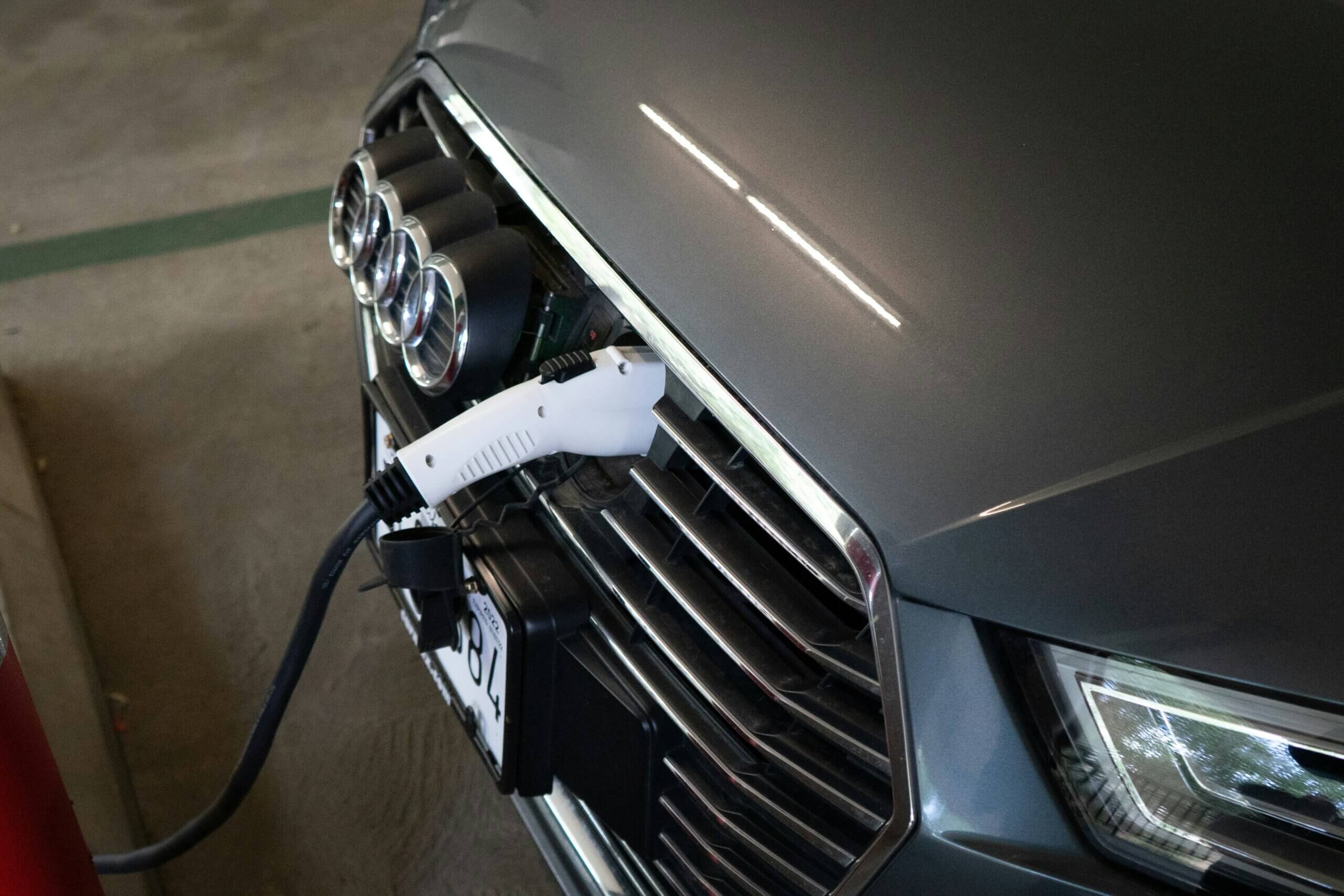
Recently the company car offering has seen somewhat of a resurgence thanks to the electric vehicles (EVs), which now offer a greater benefit for employees and companies. Here we review the current capital allowances, benefits in kind (BIK) rates, and allowances for company cars in 2025/26.
What is a company car and why the tax rules matter
A company car is any vehicle provided by the employer that the employee can use personally. The tax rules around company cars determine how much tax the employee pays (through Benefit in Kind) and how much relief the employer can claim (through allowances or deductions). These rules vary significantly depending on the vehicle’s CO₂ emissions, whether it’s fully electric or petrol/diesel, and other factors such as whether it is leased or purchased.
Capital Allowances for company cars: Electric versus petrol & diesel
If the company purchases the car, it becomes a capital asset, eligible for capital allowances which are then offset against the company’s trading activities and reduces taxable profits.
- Cars emitting 0g/km of CO₂ (fully electric) qualify for 100% First-Year Allowance (FYA), letting you deduct the full cost in the first year.
- Cars emitting 50 g/km or less, qualify for the Main Pool, with an 18% writing-down allowance per annum.
- Cars emitting over 50 g/km enter the Special Rate Pool, with a 6% writing-down allowance per annum.
When a company sells or disposes of a car, the sale proceeds are compared to the pool’s written-down value. If proceeds exceed that value, a balancing charge adds back the excess to your taxable profits. If proceeds are lower, a balancing allowance provides extra relief.
Leasing, VAT and company car costs
If the company leases rather than purchases the car, the treatment is different.
Lease costs are fully deductible for corporation tax purposes where emissions are ≤ 50g/km. For cars with higher emissions, 15% of lease costs are disallowed, such that it is not capitalised as an asset. Assuming the car is used by an appropriate person/employee within the company being the “wholly and exclusively” test.
- Where VAT is applicable, the company is restricted to reclaiming only 50% of the VAT, providing the company is VAT registered, and where the car is being used privately.
Benefit in Kind (BIK) rates for 2025/26: Electric, hybrid and petrol cars
The taxable BIK amount is calculated based on the car’s list price, including optional extras and it’s CO₂ emissions, and for plug-in hybrids, the electric range. Tax is then calculated on the BIK using the employee’s marginal income tax rate of 20%, 40% or 45%.
HMRC publishes tax bands based on CO₂ emissions, and electric range for plug-in hybrids and this determines the percentage of the list price that is taxable.
- Fully electric car has a BIK rate of 3%.
- A petrol car emitting 75-79g/km of CO₂ has a BIK rate of 21%.
- There is an additional surcharge of 4% for many diesel cars, where it does not meet RDE2 emission standards.
- Employers also pay Class 1A National Insurance (NIC), currently at 15% of the BIK amount.
From April 2028, the UK Government will introduce a mileage-based charge on electric and plug-in hybrid cars. Under the new scheme fully electric cars will attract a levy of approximately 3p per mile travelled, while plug-in hybrids will be charged around 1.5p per mile.
This new “pay-per-mile” tax is intended to help replace the revenue lost as use of petrol and diesel vehicles declines. Although company cars will continue to benefit from favourable BIK rates, employers and employees should factor in this extra running cost when estimating total vehicle costs. For a typical annual mileage of 8,500 miles, the new charge is expected to add roughly £255 per year (before inflation).
Fuel benefit, charging and private use rules
If a company pays for fuel for private use, there is also a taxable fuel benefit based on an annual HMRC rate multiplied by the BIK percentage. For the 2025/26 tax year, the fuel benefit amount is £28,200, which is multiplied by the appropriate BIK percentage to calculate the taxable amount.
Employees who charge electric cars at work for free currently face no benefit charge.
Different rules apply for commercial vehicles (for example vans).
Where the car is first provided or ceases being available, in the tax year, the taxable benefit is prorated from the date it is made available until 5 April or until the date it ceases.
Real-World Examples: Electric vs petrol company car costs
Example 1 (Fully electric)
If a company purchased a fully electric vehicle for £40,000 on 6 April 2025, the vehicle qualifies for 100% FYA. That means the full £40,000 can be offset against any trading profits arising in the first year.
If the list price of the car is also £40,000, the employee’s BIK is £1,200. With a marginal tax rate is 40%, this would incur income tax of £480.
The employer also pays a Class 1A NIC charge on the benefit, at the current rate of 15% i.e., £180 to the employer.
Example 2 (Petrol, 77 g/km CO₂)
If a company purchased a petrol vehicle, emitting 77g/km of CO₂ for £40,000 on 6 April 2025, it enters the Special Rate Pool at a 6% writing-down allowance. That gives £2,400 as annual allowance to offset against any trading profits arising in the year.
With the list price of £40,000, the employee’s BIK is £8,400. At a marginal tax rate at 40% tax rate, this would incur income tax of £3,360 to the employee. If fuel is provided for private use, then the fuel charge adds £5,922, incurring further income tax of £2,368.80.
The employers’ NIC charge in this scenario would be £1,260 excluding the fuel charge, or £2,148 including it.
What to consider before providing company cars
Although fully electric vehicles offer significant benefits and tax savings to companies and their employees, companies must ensure they compare total costs: purchase or lease, charging infrastructure, residual values, and employee usage. For some petrol or hybrid cars with low emissions, the gap is narrowed. It is essential to work out specific scenarios and carefully consider the tax consequences prior to taking action.
Get in touch
Contact our accounting solutions and tax experts today to review your company cars policy and ensure you maximise tax benefits for both employer and employees in 2025/2026.
Contact Us
"*" indicates required fields
Photo by Brian Wangenheim on Unsplash


Sign up to our newsletter
Join our mailing list to receive regular updates on
the news and events you need to know about.