

Commonly missed capital allowance opportunities

 LinkedIn



Many businesses continue to overlook valuable tax relief through under-claiming or missed capital allowances. Discover the most commonly missed capital allowance opportunities and how to recover hidden qualifying expenditure.
Following our recent article on capital allowances for office fit outs and commercial renovations, we have received several requests for further guidance on areas that are frequently under-claimed or entirely overlooked. Many organisations miss hidden capital allowance opportunities that could reduce taxable profits and improve cash flow.
In our earlier blog Office Fit Out Costs, we explained how careful categorisation of expenditure can unlock savings. Building on that foundation, this article focuses on commonly missed capital allowance opportunities, particularly demolition costs, preliminary expenditure, and trade-specific or embedded assets. We also explain how retrospective claims on historic projects can still provide meaningful tax relief, even years after completion.
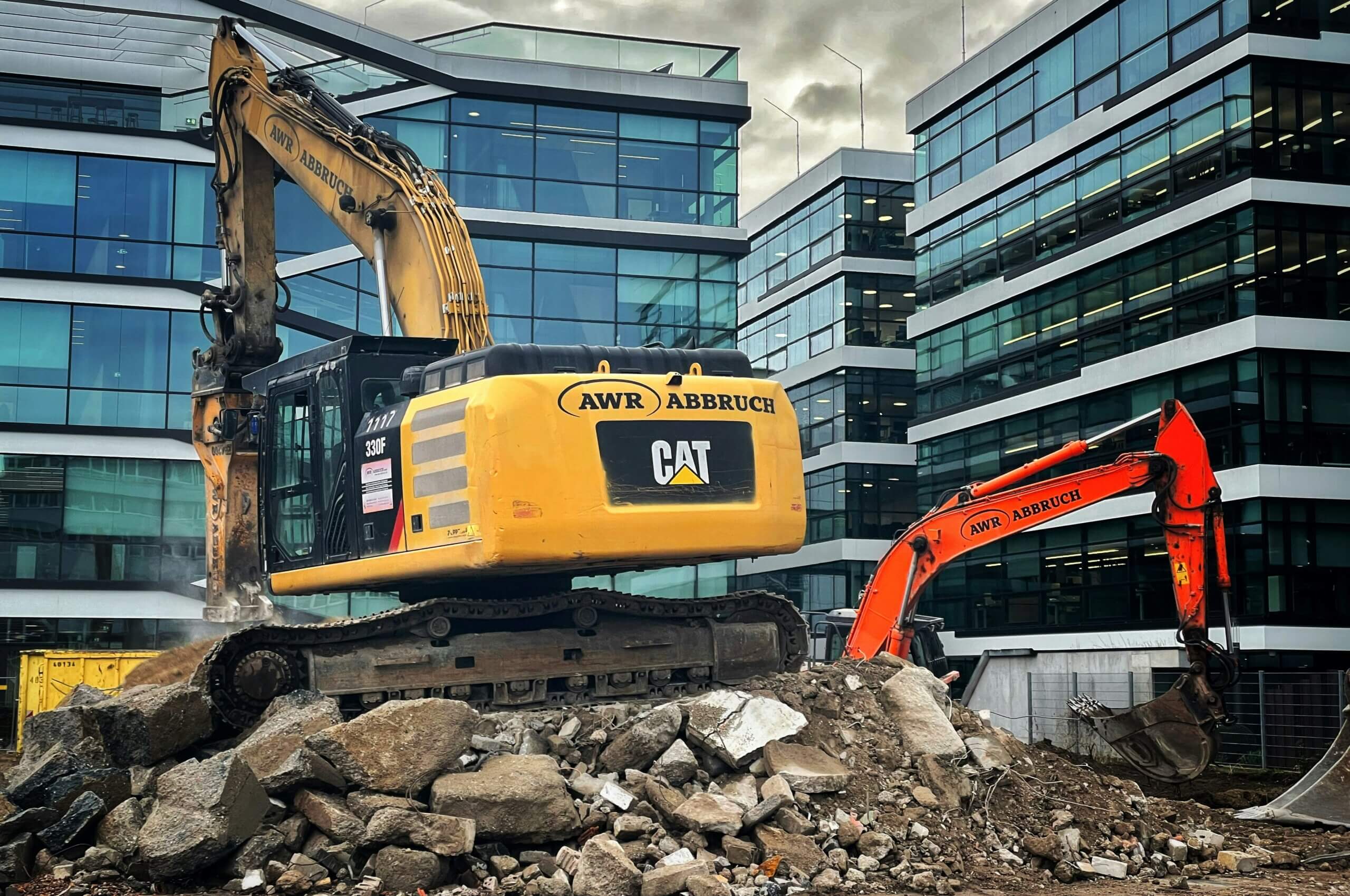
Demolition costs
Many businesses dismiss demolition work as non-qualifying, yet these costs can form part of a capital allowances claim when they relate to the installation or replacement of plant and machinery. Good records matter. Identify how each element – labour, equipment hire, and waste disposal, relates to qualifying work.
If demolition is linked to plant replacement, the costs can either:
- be added to the cost of the new plant or machinery; or
- where no replacement occurs, be treated as qualifying expenditure in the accounting period of demolition.
Demolition frequently affects integral features such as heating, lighting, water systems, or lifts. These assets fall within the special rate pool, and reinstatement or renewal costs can qualify. Calculate the net demolition cost; take the total demolition expense and deduct any income from scrap or salvage. This ensures no qualifying expenditure is overlooked.
Preliminary and professional costs – overlooked allowance opportunities
Preliminary (or ‘prelim’) costs are indirect project expenses that are often misunderstood or under-claimed. Typical examples include:
- architects’, engineers’, or surveyors’ fees;
- project management and site administration costs; and
- professional or legal fees connected with construction or renovation.
Only the portion of these costs that directly links to the provision or installation of qualifying assets can be included in a capital allowance claim. For example, a structural engineer’s work on plant supports or an architect’s design input for mechanical systems may qualify.
Where detailed attribution is impractical, a fair and reasonable apportionment method can be used, supported by evidence. HMRC accepts this approach when it reflects professional judgement. Many projects leave substantial relief on the table because prelims are not properly analysed.
Trade-specific and embedded fixtures and fittings
Every industry has specialist assets that may qualify as plant or machinery, yet teams often omit them due to lack of awareness. Understanding how your trade operates helps identify these hidden allowances.
Typical qualifying examples include:
- soundproofing or acoustic panels in meeting rooms or studios;
- bespoke lighting or ventilation systems in restaurants and laboratories; and
- custom display, racking, or storage units in retail or healthcare settings.
Decorative or ambient features, such as artwork, specialist finishes, or design lighting, may also qualify if they serve a commercial purpose or enhance the customer experience. These embedded fixtures and fittings, also known as property-embedded fixtures and fittings (PEFFs), are commonly allocated to the main rate pool or special rate pool depending on their function. A detailed review of drawings, invoices, and specifications often uncovers material qualifying expenditure.
Retrospective and historic expenditure claims
Many businesses believe they cannot revisit past projects. Contrary to popular belief, there is no strict time limit on claiming capital allowances provided the asset remains in use and appropriate evidence exists.
This point is particularly relevant where a business has acquired second-hand commercial property, and a Section 198 election did not take place at purchase. A later review of embedded fixtures and fittings can reveal substantial unclaimed allowances. Reassessing earlier refurbishments and historic expenditure can correct previous under-claiming and unlock unexpected tax relief. For further reference, see the relevant sections in the HMRC Capital Allowances Manual.
Maximising your capital allowances claim
Identifying and evidencing commonly missed capital allowance opportunities requires technical tax expertise, detailed cost analysis, and an understanding of both construction and trade-specific operations. While general accounting knowledge is important, specialist input, often supported by detailed property surveys, can materially improve the accuracy and completeness of a claim.
How Rayner Essex can help
Identifying and evidencing commonly missed capital allowance opportunities requires technical tax expertise, detailed cost analysis, and an understanding of both construction and trade-specific operations. While general accounting knowledge is important, specialist input, often supported by detailed property surveys, can materially improve the accuracy and completeness of a claim.
Our team of capital allowances specialists can help you:
- identify and quantify hidden or under-claimed qualifying expenditure;
- conduct retrospective reviews of past projects;
- ensure documentation and cost allocations meet HMRC expectations; and
- maximise available reliefs, including full expensing and Structures & Buildings Allowances where appropriate.
A recent review uncovered more than £200,000 of unclaimed qualifying expenditure on embedded fixtures and fittings alone. That outcome shows how a structured analysis can convert missed opportunities into measurable cash savings. Whether you are planning a new renovation, reviewing an existing property portfolio, or reassessing prior expenditure, our capital allowances specialists can help you secure the relief your business deserves.
If you would like tailored advice or support with identifying and claiming your capital allowances, contact our specialist tax team at Rayner Essex today to discuss how we can help you maximise your available reliefs.
Contact Us
"*" indicates required fields
Photo by Bernd 📷 Dittrich on Unsplash


Sign up to our newsletter
Join our mailing list to receive regular updates on
the news and events you need to know about.